Can a Polygraph Help an Immigration Case? Sometimes, the Truth Needs More Than Words.
Can a Polygraph Help an Immigration Case? Sometimes, the Truth Needs More Than Words.
Imagine spending years building a life in the United States only to discover that your future may depend on proving something that happened decades ago.
Maybe there are no records. Maybe the government file is incomplete. Maybe the only evidence left is your own memory.
For many people involved in immigration proceedings, this is reality.
Every year, immigration attorneys represent clients whose cases hinge on disputed facts. How did they enter the United States? Were they truthful during a prior immigration interview? Did they knowingly make a false statement? Did a particular event occur the way they claim it did?
In some cases, there are no witnesses, no documents, and no way to recreate what happened years earlier.
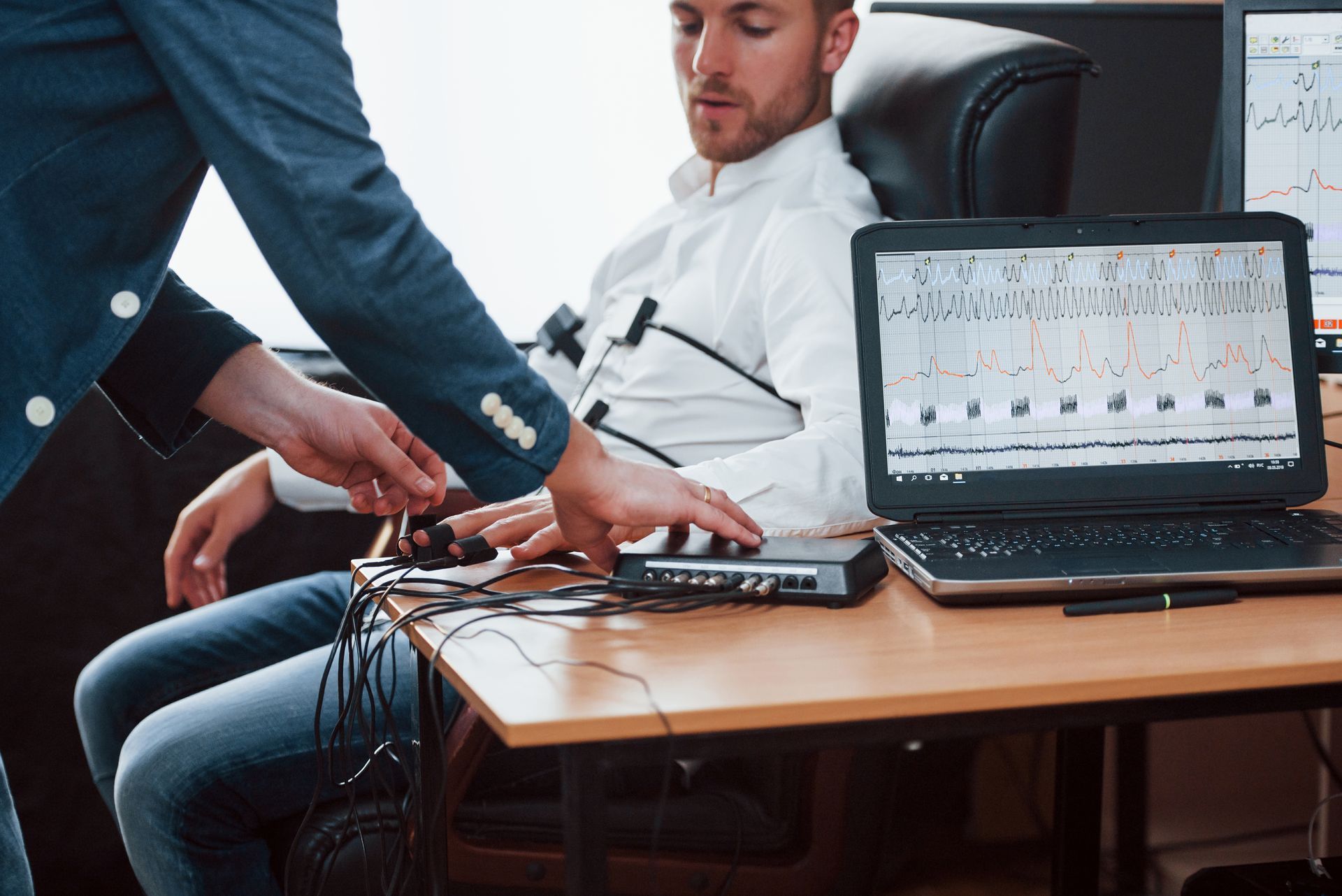
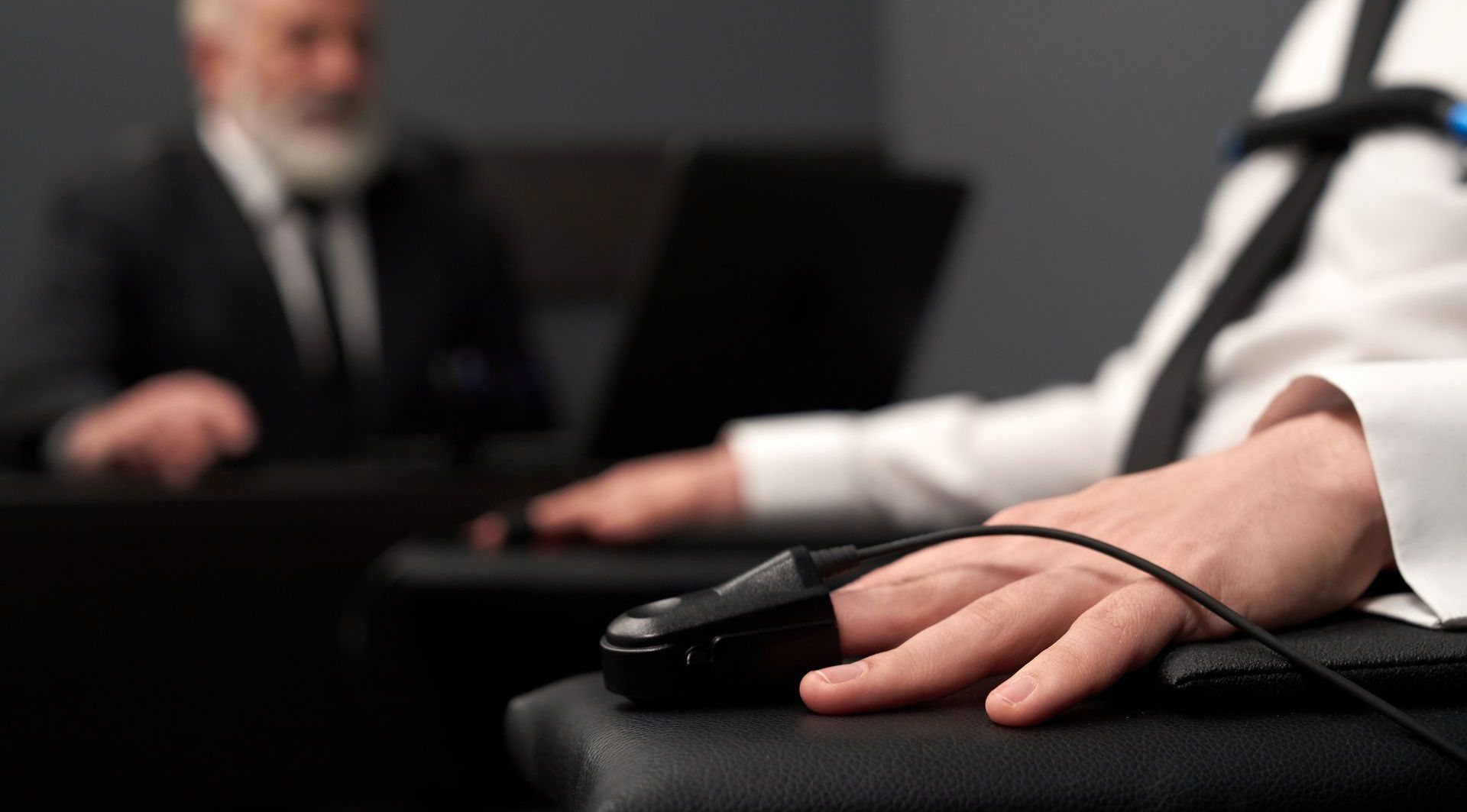
That is where a professionally conducted polygraph examination may provide meaningful support.
A Polygraph Is Not a Substitute for Evidence
A polygraph examination is not a magic solution. It does not replace documentary evidence, legal advocacy, or judicial decision making.
A polygraph examiner cannot determine whether someone is legally entitled to immigration benefits.
That decision belongs to immigration authorities and the courts.
However, there are situations where credibility becomes a central issue. When the outcome depends on whether a person's account is truthful, an independently conducted polygraph examination may provide additional information that attorneys can choose to present in support of their client's position.
When Credibility Matters
Immigration law often requires decision makers to evaluate credibility.
An applicant may honestly recall an event that occurred 20 or 30 years ago, yet have no documentation to prove it.
Attorneys may encounter situations involving questions such as:
- Was the individual inspected by an immigration officer when entering the United States?
- Did the person knowingly make a false statement during an immigration process?
- Is the applicant being truthful about a specific event that is material to the case?
- Does the client's account remain consistent when carefully examined?
These are factual questions. They are not legal conclusions.
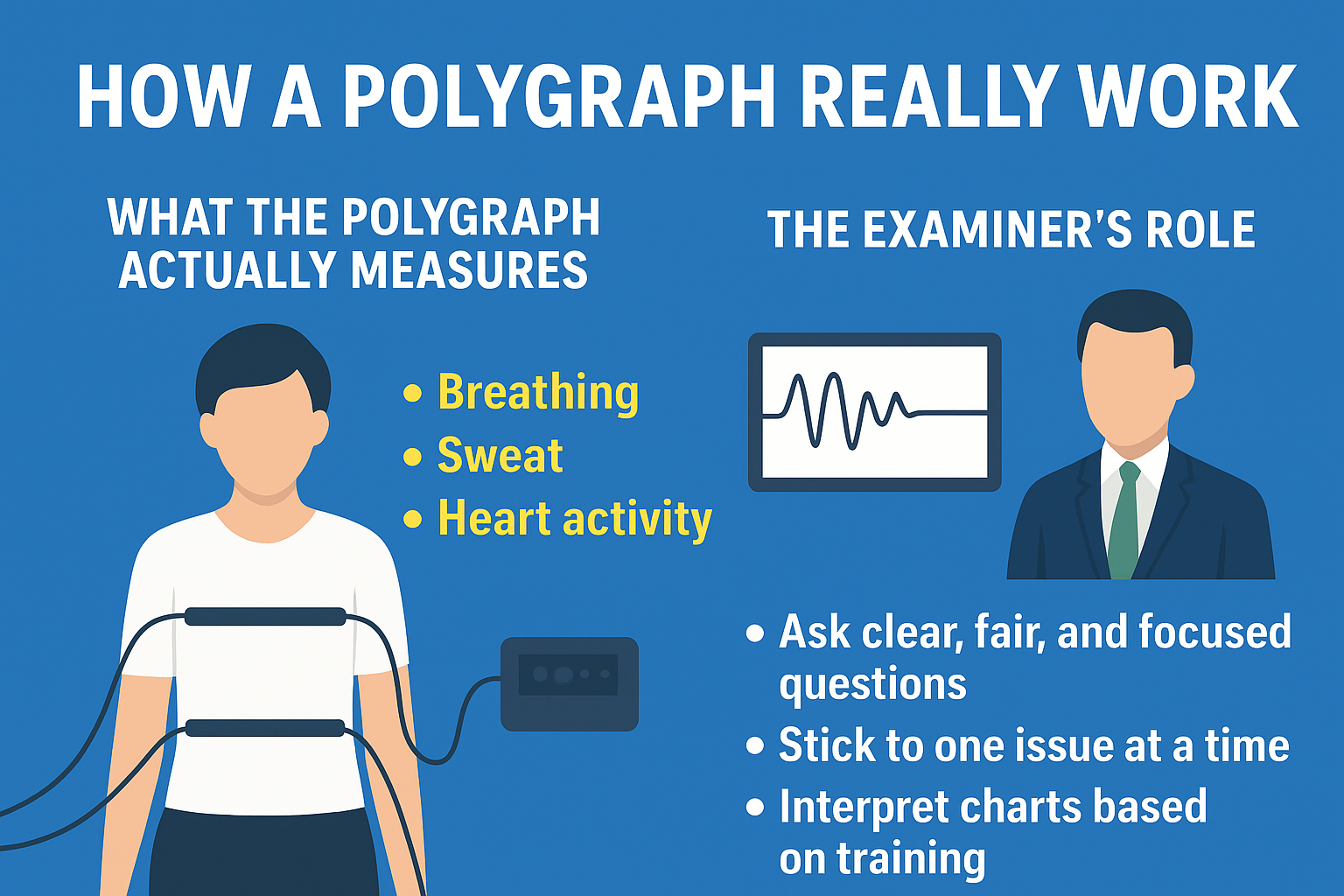
A properly designed polygraph examination focuses on one clearly defined issue and evaluates whether the examinee is being truthful when answering specific questions about that issue.
A Recent Example
Recently, our office conducted polygraph examinations in two immigration-related matters.
In one case, the central issue involved whether the applicant had been inspected and admitted into the United States many years ago. Like many older immigration cases, documentary evidence was limited, and the individual's recollection became a significant part of the case.
The examination was carefully tailored to address the factual issue presented by counsel. The questions were reviewed in advance with the examinee, conducted in the examinee's native language (Spanish), and limited to a single issue.
This is important.
A polygraph examination should never become a broad fishing expedition. The most reliable examinations focus on one clearly defined question that is directly relevant to the legal issue.
Not All Polygraph Examinations Are Equal
One of the biggest misconceptions about polygraph testing is that every examiner follows the same standards.
They do not.
The quality of an examination depends on many factors, including the examiner's training, experience, methodology, interview process, and question formulation.
Poorly written questions can produce meaningless results.
Testing multiple unrelated issues in a single examination can reduce diagnostic value.
A professional examination requires careful preparation long before the first chart is collected.
The pre-test interview is often the most important part of the process. It allows the examiner to understand the facts, clarify definitions, eliminate ambiguity, and ensure that every question is understood exactly as intended.
Working With Immigration Counsel
When attorneys contact our office, the first discussion is rarely about scheduling.
Instead, we discuss the legal issue.
What fact must be established?
What factual dispute exists?
What documents are available?
What issue, if any, is appropriate for polygraph testing?
Sometimes the answer is that a polygraph examination is appropriate.
Sometimes it is not.
If the issue cannot be isolated into a single factual question, or if the proposed examination would attempt to answer a legal conclusion rather than a factual issue, we recommend against proceeding.
That approach protects both the attorney and the client.
The Importance of Neutrality
A professional polygraph examiner is not an advocate.
Our responsibility is to conduct an objective examination using accepted testing procedures and report the findings honestly.
We do not promise favorable results.
We do not coach examinees.
We do not tailor conclusions to help one side or the other.
Our credibility depends on maintaining independence.
That independence is often one of the reasons attorneys seek an outside examiner.
Is a Polygraph Right for Every Immigration Case?
No.
There are many immigration matters where a polygraph examination would provide little or no value.
However, when a case turns on the truthfulness of one specific factual issue, and other evidence is limited or unavailable, a professionally conducted polygraph examination may become one piece of the overall evidentiary picture.
For attorneys, it can provide additional information when evaluating a client's account before litigation or in preparation for presenting a case.
For individuals facing immigration proceedings, it may offer an opportunity to support the credibility of their testimony when their word is being questioned.
Final Thoughts
Immigration cases often involve deeply personal stories, events that occurred decades earlier, and life-changing consequences.
When credibility becomes the central issue, simply saying "I'm telling the truth" may not be enough.
A professionally conducted, single-issue polygraph examination cannot decide an immigration case.
But in the right circumstances, it can help strengthen the presentation of truthful, credible facts.
For attorneys considering whether a polygraph examination may benefit a client's case, the most important first step is a conversation. Every case is different, and determining whether a polygraph is appropriate requires understanding the legal issue, the factual dispute, and the available evidence before any examination is ever scheduled.