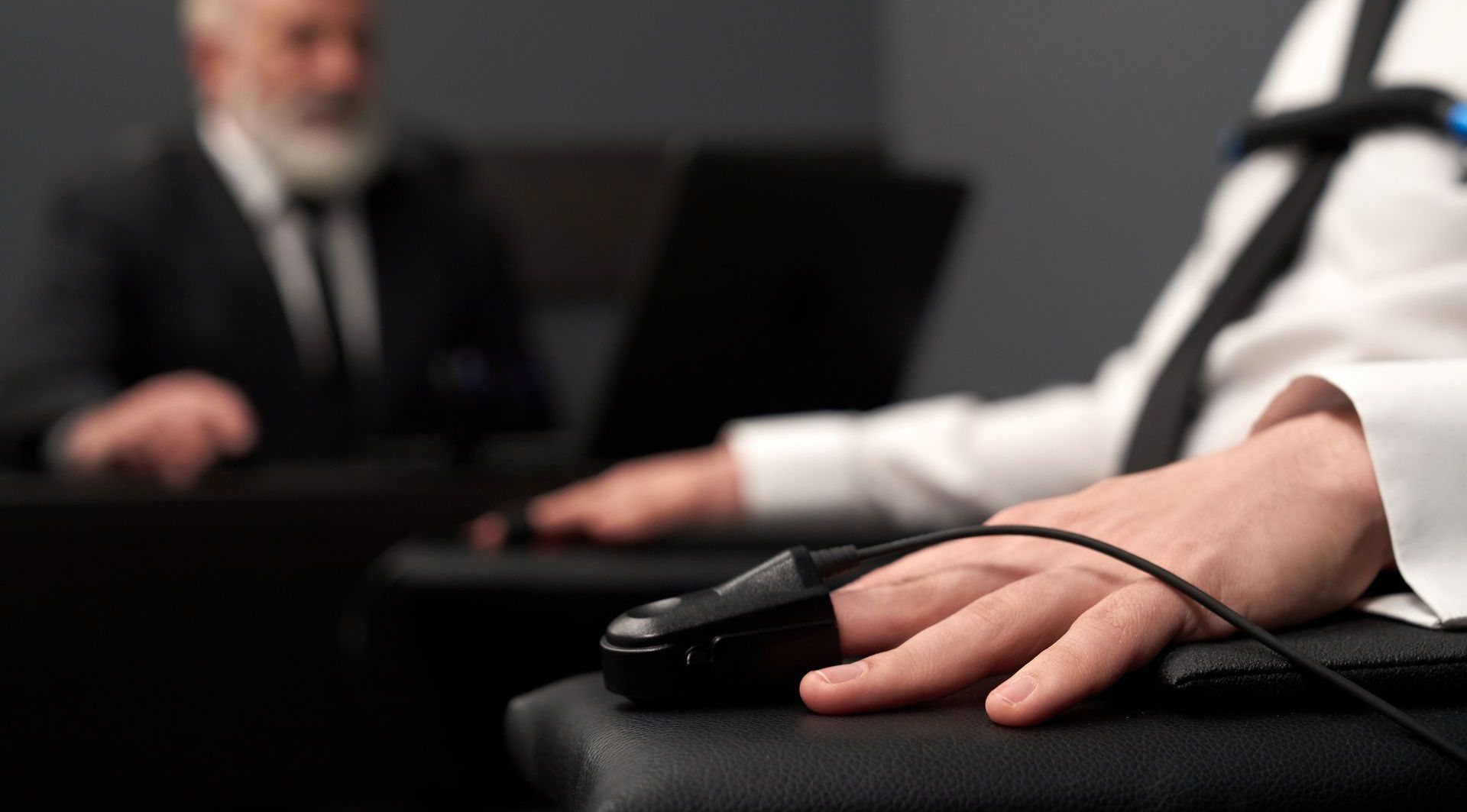
The True Cost of Hiring a Cheap Polygraph Examiner
The True Cost of Hiring a Cheap Polygraph Examiner
When searching for a polygraph examiner, one of the first questions people ask is, “How much does a polygraph test cost?” While that’s a fair question, focusing only on price can lead to serious consequences.
A polygraph examination is not just another service. It is often used in high-stakes situations involving criminal investigations, pre-employment screenings, infidelity cases, and legal disputes. In these cases, choosing a cheap polygraph examiner can end up costing far more than the initial savings.
Why Cost Should Not Be the Deciding Factor
It’s natural to compare pricing when hiring a service. However, when it comes to a lie detector test, the lowest price often comes with trade-offs that can affect accuracy, credibility, and outcomes.
A poorly conducted polygraph test can:
- Produce unreliable or misleading results
- Damage credibility in legal or professional settings
- Create false reassurance or unnecessary doubt
- Influence life-changing decisions based on flawed data
In many cases, you won’t get a meaningful second chance to redo the test under the same conditions. That makes the first examination critical.
The Hidden Risks of Hiring a Cheap Polygraph Examiner
Choosing a low-cost provider may seem appealing, but it often signals compromises in key areas:
1. Limited Training and Certification
Not all polygraph examiners receive the same level of training. Some low-cost providers may lack formal education from accredited polygraph
schools or fail to stay current with industry standards.
2. Lack of Experience
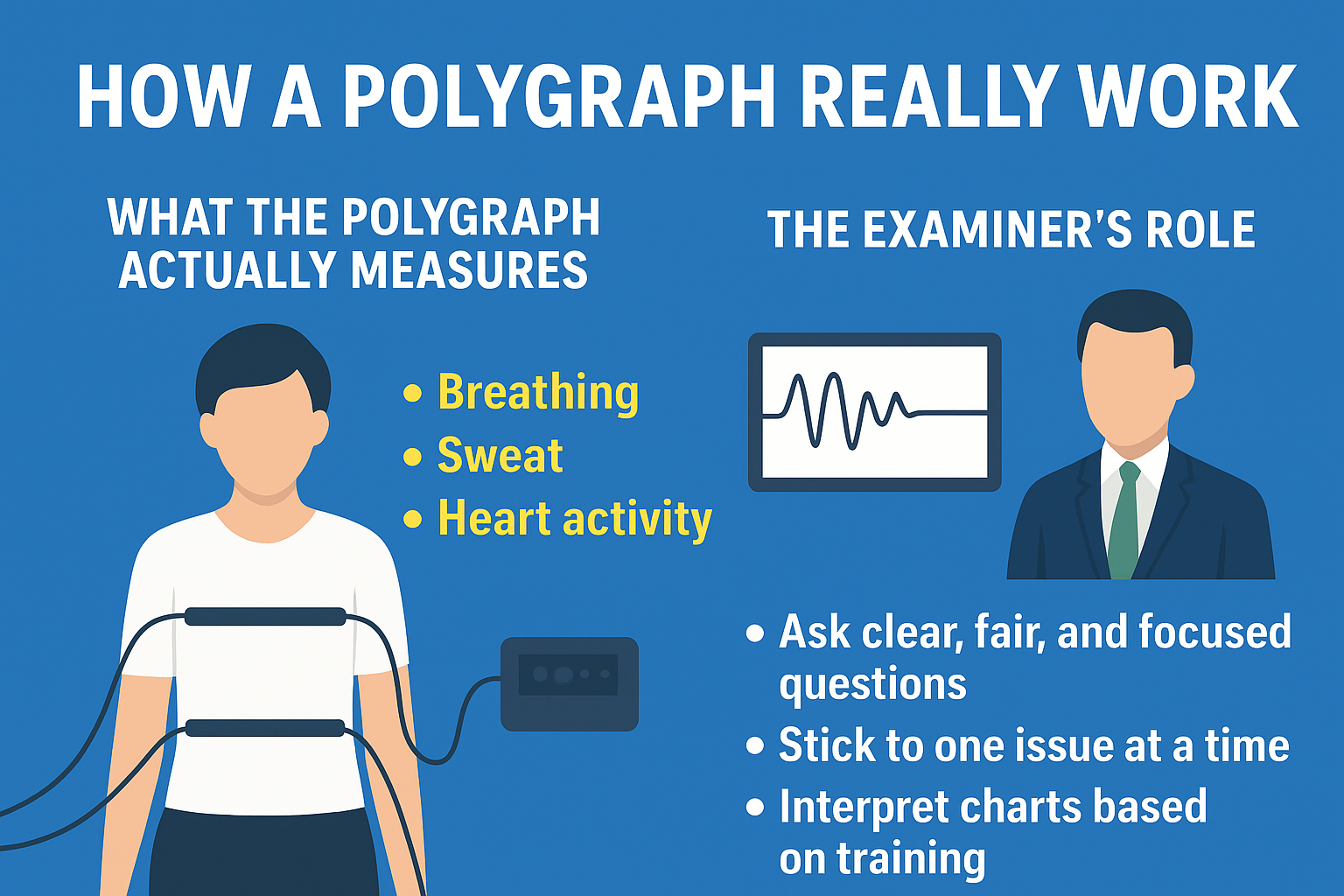
Experience matters. A seasoned polygraph examiner understands how to conduct thorough pre-test interviews, develop precise questions, and properly interpret physiological responses.
3. Outdated Equipment and Techniques
Modern polygraph testing relies on validated techniques and advanced instrumentation. Cheap services may cut corners by using outdated tools or unvalidated methods.
4. Rushed or Incomplete Examinations
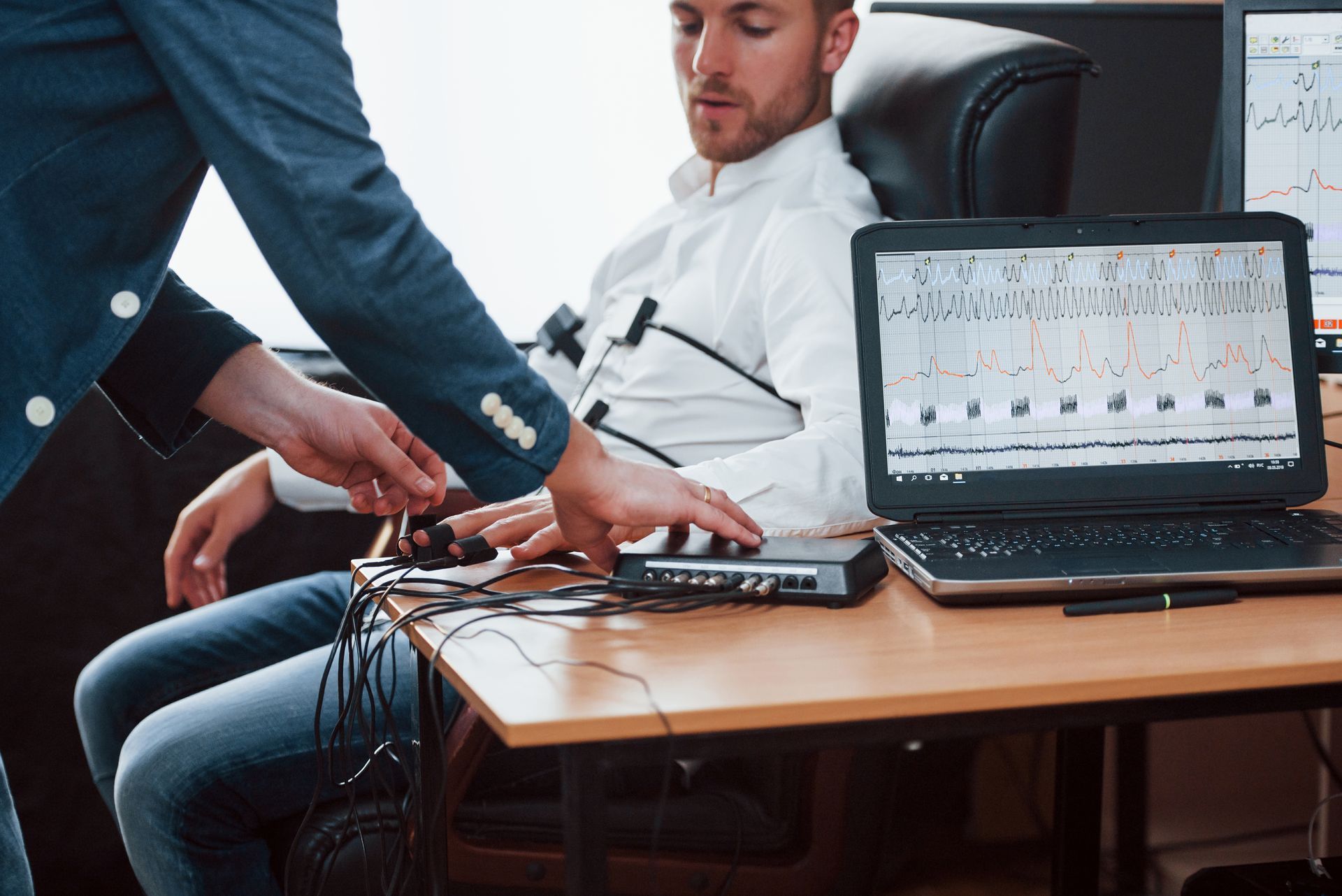
A professional polygraph exam takes time. It includes a detailed pre-test phase, multiple chart collections, and careful analysis. Lower-cost examiners may rush the process to increase volume.
5. Questionable Credibility
If your polygraph results are reviewed by an attorney, court, or employer, the examiner’s qualifications will be scrutinized. A low-cost examiner may not hold up under that level of review.
What to Look for in a Qualified Polygraph Examiner
Instead of focusing solely on price, consider these critical factors when hiring a polygraph examiner:
Proven Training and Credentials
Look for examiners trained at recognized polygraph institutions who follow industry standards and continuing education requirements.
Professional Experience
Examiners with backgrounds in federal law enforcement or investigative work often bring a higher level of expertise and credibility.
Use of Validated Techniques
Ensure the examiner uses standardized, research-supported polygraph testing methods.
Strong Reputation
Check reviews, testimonials, and professional references. A reputable polygraph examiner will have a track record of reliability and professionalism.
Transparency in the Process
A qualified examiner should clearly explain the polygraph test process, including what the test can and cannot determine.
Objectivity and Integrity
Avoid anyone who guarantees results. A legitimate polygraph examiner is focused on truth, not outcomes.
The Real Value of a Professional Polygraph Examination
The phrase “you get what you pay for” is especially true with polygraph services. Saving money upfront can lead to greater costs later, whether through legal complications, damaged relationships, or missed opportunities.
When your reputation, career, or case is on the line, the better question is not:
“What is the cheapest polygraph test near me?”
It’s:
“Who is the most qualified polygraph examiner to handle this correctly?”
Final Thoughts
A polygraph examination is an investment in clarity, truth, and credibility. Choosing a qualified examiner ensures that the process is conducted professionally and that the results can stand up to scrutiny.
In high-stakes situations, cutting corners is rarely worth the risk.